
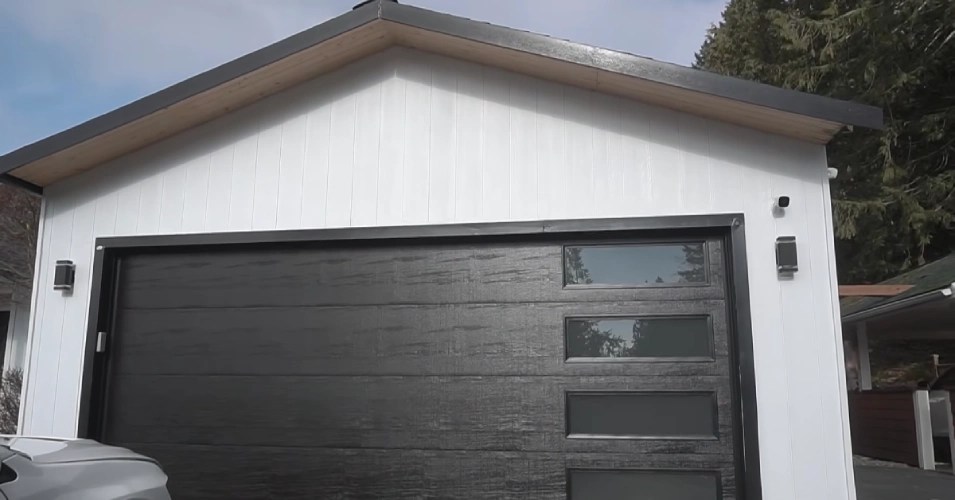
Garage door spring replacement costs between $150 and $350 for a standard residential single-car door, with most homeowners spending roughly $250 for parts and professional labor. Replacing both torsion springs on a heavy two-car insulated garage door typically ranges from $275 to $550.
Garage Door Spring Cost by System Type and Mechanism
Overhead doors rely on either torsion springs mounted horizontally above the door opening or extension springs stretching along the horizontal ceiling tracks.
| Spring Type and Configuration | Raw Hardware Cost | Total Installed Cost | Rated Lifespan (Cycles) | Safety Risk Profile |
|---|---|---|---|---|
| Single Torsion Spring (Single Door) | $60 to $110 | $180 to $320 | 10,000 cycles (7 to 10 yrs) | Extreme (high rotational torque) |
| Pair of Torsion Springs (Double Door) | $100 to $180 | $275 to $450 | 10,000 cycles (7 to 10 yrs) | Extreme (high rotational torque) |
| High-Cycle Torsion Springs (Pair) | $140 to $240 | $350 to $550 | 25,000 to 50,000 cycles (15+ yrs) | Extreme (commercial-grade steel) |
| Pair of Extension Springs (Tracks) | $35 to $75 | $150 to $280 | 10,000 cycles (7 to 10 yrs) | High (projectile hazard without safety cables) |
| Conversion from Extension to Torsion | $180 to $300 | $400 to $700 | 15,000+ cycles | Professional conversion only |
If your garage door is older than fifteen years, has rusted steel tracks, or lacks modern insulated sandwich panels, reviewing our full garage door replacement cost guide helps you decide whether installing a brand-new door package with factory springs delivers better long-term curb appeal.
Torsion Springs vs. Extension Springs: Understanding the Differences
While both spring mechanisms counterbalance the heavy weight of an overhead garage door, their mechanical operation and safety characteristics differ sharply.
Torsion Springs
Torsion springs mount horizontally onto a solid steel shaft directly above the closed door opening. As the door closes, heavy steel cables attached to bottom brackets rotate drums on the shaft, winding the springs tighter and storing rotational energy. When opening, the springs unwind, transferring their mechanical torque to lift 90% of the door weight. Torsion systems provide smoother, quieter operation, hold heavier double doors, and maintain door balance far better than extension springs.
Extension Springs
Extension springs mount horizontally above the upper horizontal tracks on either side of the garage ceiling. They stretch outward as the door lowers and contract as the door opens. Because extension springs stretch longitudinally under high tension, a snapping spring can launch through drywall, smash car windshields, or cause fatal injuries unless secured with an internal steel safety cable threaded down the center of each spring.
Field Technician Insights: Why Spring Replacement Is Not a DIY Job
Veteran overhead door mechanics and emergency room physicians agree: garage door spring replacement is one of the most dangerous DIY home maintenance tasks.
1. The Lethal Rotational Torque Hazard
A typical residential garage door weighs between 130 and 350 pounds. Counterbalancing that dead weight requires torsion springs wound to immense tension, storing hundreds of foot-pounds of rotational kinetic energy. Winding or unwinding a torsion spring requires two dedicated 1/2-inch solid cold-rolled steel winding bars inserted into the winding cone. Homeowners attempting to wind springs using makeshift tools like screwdrivers, drill bits, or vice grips face severe injury. If a tool slips or snaps from the cone, the spring unwinds in a fraction of a second, causing facial bone fractures, severed fingers, or traumatic head injuries.
2. The Rule of Paired Replacement
Garage doors with two springs experience identical stress cycles. When one spring snaps, the second spring has completed the exact same number of metal fatigue cycles and is on the verge of failure. Leaving the older intact spring in place forces you to pay a second $150 professional service trip fee within two to six months when it snaps. Always replace both springs together.
3. Never Force the Electric Opener
When a spring snaps with a loud gunshot-like bang in the middle of the night, homeowners often try to open the door by pressing the garage wall button. Electric garage door openers are designed to guide the door along tracks; they are not built to hoist 250 pounds of uncounterbalanced dead weight. Forcing the motor to lift a broken-spring door will strip internal nylon drive gears, snap the drive trolley, and burn out the motor, adding $300 to $500 in avoidable opener repairs.
Maintaining exterior weather tightness around garage jambs and framing also protects adjacent living walls. If exterior trim and cladding exhibit rot, evaluate weatherization options in our siding replacement cost guide. When upgrading surrounding building elements, matching window seals per our window replacement cost overview keeps utility costs controlled.
Frequently Asked Questions (People Also Ask)
Can I manually open a garage door with a broken spring?
You can manually open a garage door with a broken spring only in absolute emergencies, but it requires two strong adults lifting the entire 150 to 300 pounds of dead weight simultaneously. Once lifted, the door will not stay open on its own and will crash down violently unless securely clamped to the track with locking pliers.
How long do garage door springs last?
Standard builder-grade garage door springs are rated for 10,000 cycles (one open and close equals one cycle), which typically translates to 7 to 10 years of average daily household use. Upgrading to high-cycle 25,000-cycle springs extends operational life to 15 to 20 years.
Should I lubricate my garage door springs?
Yes. Spraying garage door torsion and extension springs with a dedicated silicone-based or lithium-based garage door lubricant every six months reduces friction between steel coils and prevents rust. Never use WD-40, which acts as a degreaser and attracts dirt and grit that accelerate coil wear.
Why are garage door spring quotes higher from some companies?
Quotes exceeding $500 for a standard door usually include technician upsells for replacement lifting cables, ball-bearing nylon rollers, and center bearing plates. While replacing worn cables and bearings during spring service is good practice, verify that your written estimate itemizes parts and labor separately.

