Sewer line replacement costs between $1,300 and $5,500 for most residential properties, with the national average sitting near $3,400. Replacing a short, accessible section of pipe costs as little as $1,000, while complex full-line replacements running beneath concrete driveways, patios, or city sidewalks can reach $12,000 to $20,000.
Sewer Line Replacement Cost per Linear Foot by Method
The total price depends primarily on the installation technique, burial depth, and total linear footage between your home foundation and the municipal sewer main.
| Replacement Method | Cost per Linear Foot | Total Job Average (40 to 80 Ft) | Disruption to Yard / Driveway | Expected Lifespan |
|---|---|---|---|---|
| Traditional Open Trenching | $50 to $180 | $3,500 to $12,000 | High (excavator digs entire yard) | 50 to 100 years (PVC) |
| Trenchless Pipe Bursting | $60 to $200 | $3,800 to $11,500 | Very Low (two small entry pits) | 100+ years (HDPE) |
| Trenchless CIPP Epoxy Lining | $80 to $250 | $3,200 to $9,000 | Zero (uses existing cleanout) | 50+ years (Epoxy resin) |
| Spot Repair (Under 10 Feet) | $120 to $300 | $1,200 to $3,000 | Moderate (localized pit) | Matches host pipe |
Because main sewer lines run beneath basement slabs and foundation footings, serious backups can saturate subterranean soil and undermine footers. If water backup has compromised basement concrete, pairing your plumbing overhaul with an engineered foundation repair cost inspection protects structural integrity.
Trenchless vs. Traditional Excavation: Which Is Better?
The choice between modern trenchless technology and traditional open-cut excavation comes down to pipe condition, surface landscaping, and total restoration expenses.
1. Traditional Open Trenching (Dig and Replace)
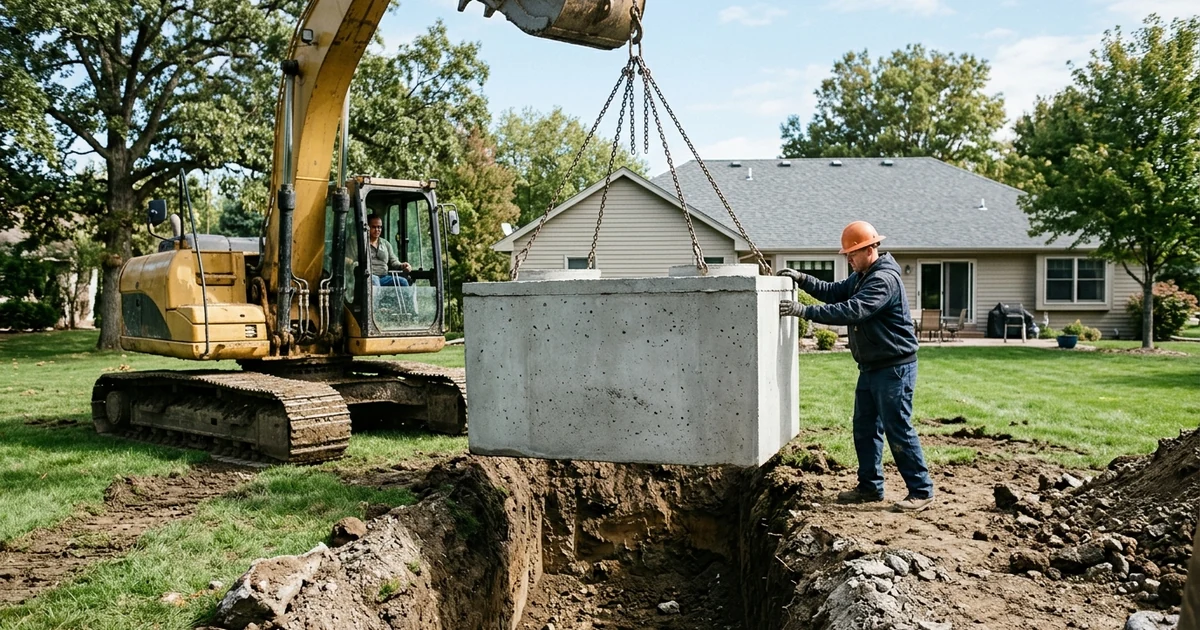
Traditional excavation requires a backhoe or mini-excavator to dig a continuous trench four to eight feet deep along the entire path of your sewer lateral. Crews remove the damaged cast iron or clay pipe and install modern schedule 40 PVC. While the plumbing labor rate may look slightly lower on paper, traditional digging destroys everything directly above the pipe path. Replacing concrete driveways, stone pavers, mature trees, and sod adds $2,500 to $7,000 in exterior property restoration.
2. Trenchless Pipe Bursting
Pipe bursting is the preferred trenchless technique when existing pipes are cracked, misaligned, or invaded by heavy tree roots. Technicians dig just two small access holes: one near the house foundation and one at the property line connection. A heavy hydraulic winch pulls a conical steel bursting head through the old clay or cast-iron line, fracturing it outward into the surrounding soil while simultaneously pulling a continuous, continuous High-Density Polyethylene (HDPE) pipe directly into place behind it.
3. Trenchless CIPP (Cured-In-Place Pipe) Lining
CIPP lining creates a continuous new pipe inside your existing damaged pipe without digging. Plumbers insert a flexible polyester felt tube saturated with epoxy resin into the line through a standard cleanout. The tube is inflated with pressurized hot water or air, forcing the epoxy against the interior walls where it cures rock-hard within three hours. However, CIPP lining cannot be installed if the old pipe has completely collapsed, lost its bottom channel, or suffers from severe downward sags (bellies).
Field Technician Insights: The Camera Scope and Franchise Traps
Field data from licensed master plumbers reveals recurring traps that cause homeowners to overpay by thousands of dollars during high-stress plumbing emergencies.
1. The “Immediate Collapse” Sales Pitch
Large national rooter and plumbing franchises frequently pay their service technicians commissions on big-ticket replacements. When called to clear a standard tree root clog, commissioned techs often push a sewer camera down the line and claim the pipe is completely collapsed, demanding an immediate $15,000 to $25,000 contract on the spot. Never sign a replacement contract under emergency pressure. Pay the $150 to $300 diagnostic fee, demand the raw digital video file of the camera inspection on a USB drive, and get two competitive quotes from independent local plumbing contractors.
2. Verify Municipal Responsibility
Homeowners are responsible for the upper sewer lateral extending from the home to the property line or city curb. However, many municipal utility authorities own and maintain the lower lateral from the curb to the main city sewer in the middle of the street. If your camera inspection reveals root intrusion or pipe collapse beneath the asphalt street, your city public works department may be legally required to repair that section at taxpayer expense.
3. Buried Utility Insurance Endorsements
Standard homeowners insurance policies exclude underground sewer lines damaged by age, ground settling, or tree root invasion. However, most major insurers offer an optional “Service Line Endorsement” or “Buried Utility Line Rider” for just $30 to $60 per year. This rider covers up to $10,000 in excavation and pipe replacement costs with a low $500 deductible.
If your sewer line failure flooded the basement utility area, protecting water supply equipment from contaminated sewage backup pairs with an updated water heater replacement cost review. Similarly, keeping basement groundwater out of foundation footing trenches requires an active drainage plan detailed in our sump pump replacement cost guide.
Frequently Asked Questions (People Also Ask)
How long does a sewer line typically last?
Modern PVC and HDPE sewer pipes last between 50 and 100+ years and are completely impervious to root penetration. Older cast-iron pipes generally last 40 to 60 years before interior scaling and bottom channel erosion occur, while historic clay tile pipes typically last 50 to 60 years before ground shifting cracks the joints.
How do I know if my sewer line needs to be replaced or just cleaned?
If recurring clogs happen more than once every six months and affect multiple drains simultaneously, an in-line high-definition camera inspection is required. Minor tree root intrusions can be maintained with hydro-jetting every two years, but cracked pipe joints, extensive channel rot, or pipe bellies require replacement.
Is trenchless sewer repair as durable as traditional replacement?
Yes. continuous HDPE pipe installed via pipe bursting is structurally superior to glued PVC joints because it contains no seams where tree roots can enter. Epoxy CIPP liners cure to a structural rating equivalent to new commercial pipe with an expected service life exceeding 50 years.
How long does a sewer line replacement project take?
Trenchless pipe bursting and CIPP lining projects typically finish in one to two business days with water service shut off for only four to six hours. Traditional open-cut excavation projects take three to five business days, plus additional time for concrete repouring and landscaping restoration.